Debunking common gambling myths What really influences your luck
Understanding Luck in Gambling
Luck is often viewed as a mysterious force that determines outcomes in gambling. Many believe that luck is a tangible entity, something that can be harnessed or enhanced by specific actions. For instance, people might think that wearing lucky clothing or performing certain rituals can influence the odds in their favor. However, the reality is that luck is random and largely unpredictable, playing a minor role in the broader scope of gambling outcomes.
In games of chance like slots or roulette, the odds are predetermined, based solely on the mathematics of the game rather than any superstitious beliefs. For example, in a fair game, the likelihood of winning is constant, regardless of any external factors. Understanding this fundamental concept helps demystify the nature of luck and emphasizes the importance of informed decision-making over reliance on chance.
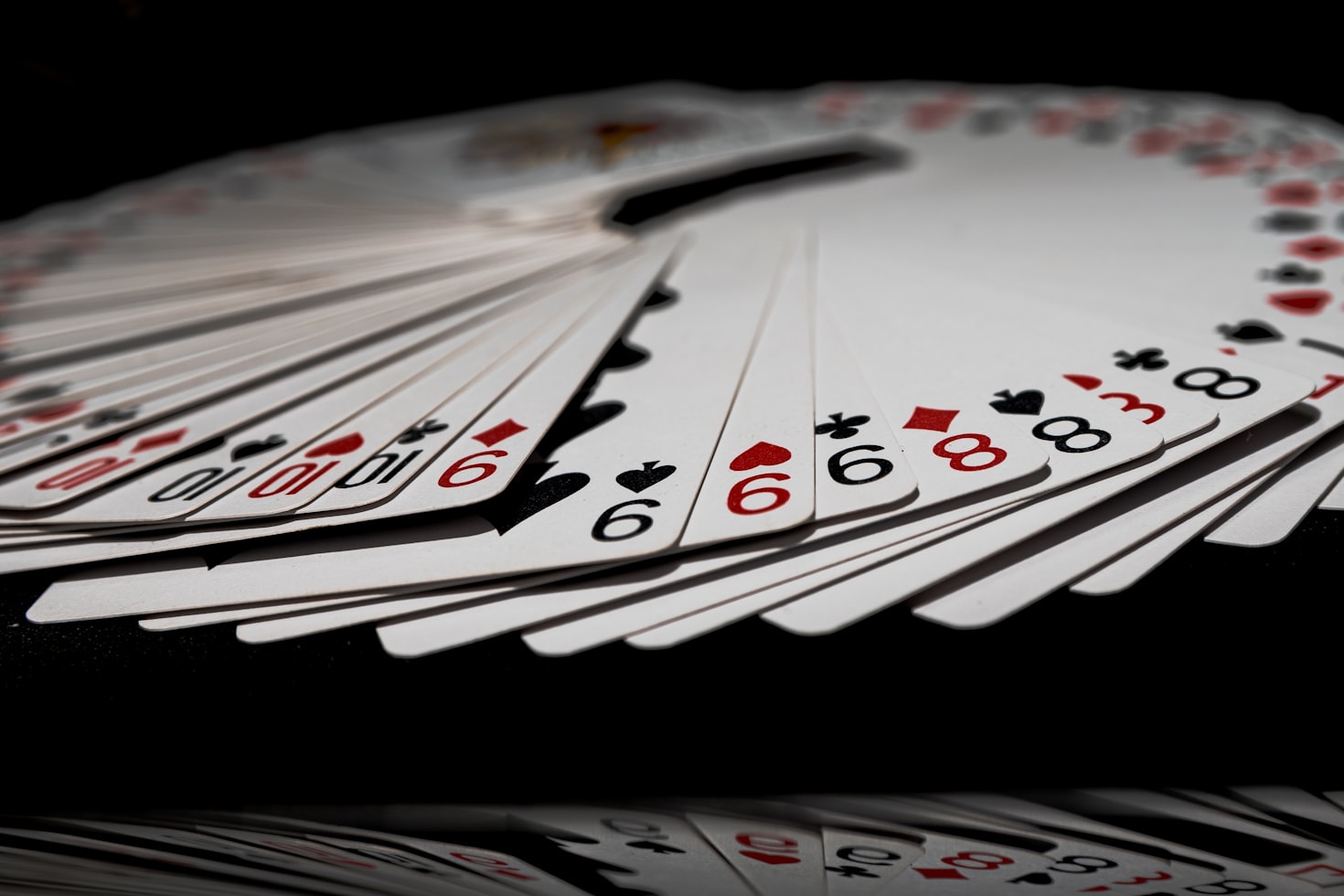
Additionally, the concept of luck varies from person to person. What one player deems as good fortune might be perceived differently by another. This subjective nature of luck can often lead to misconceptions, influencing how players approach gambling. Recognizing that luck is not an influencing factor can help gamblers maintain a healthy perspective on their gaming experiences.
Myths Around Gambling Strategies
Many novice gamblers are enticed by the allure of strategies that promise consistent wins. However, a significant number of these strategies are based on myths rather than facts. For instance, some players believe that using a certain betting system can outsmart the house edge. While strategies like the Martingale system may seem appealing, they don’t alter the inherent probabilities of the games being played.
The belief that one can ‘beat the system’ often leads to increased risks and financial losses. For example, a player might chase losses by increasing their bets, convinced that a win is just around the corner. Such actions can lead to a dangerous cycle of gambling, emphasizing the importance of understanding the actual odds involved rather than relying on fallacious strategies.
Ultimately, the most effective approach to gambling is adopting a mindset rooted in knowledge and discipline. Familiarizing oneself with the rules, odds, and variations of games can enhance enjoyment and mitigate losses. Players should focus on responsible gambling practices rather than being drawn into the seductive web of myths surrounding strategies and systems.
The Role of House Edge
The house edge is a critical concept in gambling that refers to the mathematical advantage that a casino holds over players. Many people mistakenly believe that they can eliminate or even manipulate the house edge through various means. In reality, the house edge is an intrinsic part of casino games, ensuring the establishment remains profitable over time. Games like blackjack or poker may seem more favorable to players, yet they still incorporate an element of house advantage.
Understanding the house edge allows players to make informed choices about their bets and the games they choose to play. For instance, knowing that certain games have a lower house edge, like blackjack or video poker, can guide players toward better options. This knowledge can significantly enhance the overall gambling experience, leading to more strategic decisions.
Furthermore, the house edge isn’t just a static number. It varies based on rules, player decisions, and variations of the game. Therefore, players must understand how different factors can influence their odds of winning. By being aware of the house edge, gamblers can manage their expectations, resulting in more enjoyable and responsible gaming sessions.
Influence of Randomness and Probability
One of the most significant factors influencing gambling outcomes is randomness. Many games, particularly slot machines and table games, operate on random number generators (RNGs), ensuring that each outcome is completely independent of previous results. This randomness can often lead to misunderstandings about patterns or trends, as players may seek correlations where none exist.
In reality, gambling is based on probabilities, which dictate the likelihood of winning or losing. For instance, while a player may hit a winning streak, there is no guarantee that this will continue, as each spin of a slot machine or roll of the dice is an isolated event. Understanding this principle is essential for responsible gambling, as it highlights the unpredictable nature of these games.
Moreover, players should recognize that while skill can play a role in games like poker, the element of luck remains ever-present. Successful poker players rely on a combination of strategy, psychological insight, and probability calculations, but even the best players can experience swings of luck. Acknowledging the balance between skill and chance can foster a more realistic approach to gambling, helping players maintain control and enjoy the experience.
Your Online Gambling Resource
At our platform, we strive to provide valuable insights and resources for both novice and experienced gamblers. We understand that navigating the world of online gambling can be daunting, especially with the abundance of myths and misconceptions. Our goal is to debunk these myths and equip players with the knowledge they need to make informed decisions.
We offer comprehensive guides on various games, focusing on the mechanics, strategies, and odds involved. This empowers users to approach their gaming sessions with confidence and clarity. Our commitment to responsible gambling ensures that players can enjoy their experience without falling prey to common pitfalls associated with misconceptions about luck and strategies.
Join our community and explore the various tools and resources we have to offer. With our support, you can enhance your gambling experience, gaining insights that lead to informed choices while enjoying the thrill of online gaming.